
Multi-location conferences have become common occurrences in today’s world. Teams from around the world work together while situated in different cities and countries and across multiple time zones. The hybrid work model requires organizations to establish systems that enable both broadcasting and audience participation during their operations. Organizations need more than essential equipment to provide uninterrupted service throughout different locations.
The process requires professional audiovisual production services for events that occur at multiple sites, together with comprehensive strategic development and high-level operational management. The attendees experience a bond when the audio-visual elements operate together throughout various locations. The audience loses focus when something unexpected happens because it diminishes their trust in the speaker.
The guide shows the essential requirements to create perfect audio-visual presentations that function across several conference sites.
Strategic Planning Before Equipment Selection
Define the Event Format Clearly
Every successful production begins with clarity. Will each location host live speakers? Will some segments stream from a central hub? Are audiences interacting in real time?
The technical framework of a project emerges from its structural design. A broadcast-style setup differs from a fully interactive hybrid model. The planning process helps organizations prevent equipment changes that occur at the last moment, which will cause their project timelines to be disrupted.
Reliable Multi-Location Event AV Production Infrastructure
Robust Audio Systems
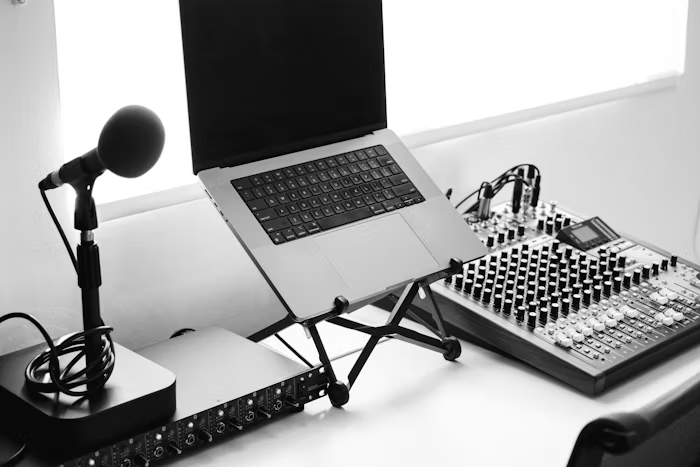
The quality of audio sound remains more valuable than the achievement of superior visual elements. The moment participants encounter difficulties with hearing, their engagement levels will decrease. The complete audio systems used by professionals achieve precise equilibrium among their microphones, speakers, and mixers.
Directional microphones operate by capturing sound from specific directions while blocking out surrounding environmental sounds. Digital signal processors handle echo and feedback management tasks. Loudspeakers of high quality reproduce sound throughout their listening area while maintaining audio fidelity.
The necessity for echo cancellation increases during events that occur across multiple locations. The system requires echo cancellation because cross-location delays create overlapping times, which result in viewer distractions.
Seamless Video Distribution
Video feeds must travel smoothly between venues. The system requirements need to handle more than the maximum expected user volume. The system has backup internet connections, which ensure uninterrupted service during times of high demand.
The system uses switchers and encoders to control various camera perspectives. The system delivers broadcast-quality results through its ability to execute instant transitions. The visual director controls all visual elements to guarantee that all components remain in perfect time alignment.
Event Staging Lighting Engineering for Consistency
Lighting for Cameras, Not Just the Room
The lighting, which appears acceptable to people who attend events in person, demonstrates different visual results when seen through a camera. The presence of shadows, together with glare, obstructs visual understanding. The correct staging method permits speakers to present themselves in a professional manner to the audience.
Front key lighting establishes facial balance between different facial features. Backlighting creates a visual distinction between speakers and their background surroundings. The color temperature needs to stay the same throughout every location.
Coordinated Stage Design
Visual cohesion strengthens brand identity. The combination of matching stage backdrops with podium designs and lighting accents establishes a unified appearance throughout the event spaces.
The engineering teams for event staging lighting work together with designers to achieve color and light intensity matching. The human eye detects even minor brightness changes as more intense during live streaming.
Audio-Visual Teams and Communication Flow
Centralized Technical Leadership
Multi-location conferences need a single command structure to manage their operations. The lead technical director has the responsibility to manage all event locations. This arrangement prevents different groups from making changes and eliminates problems with information sharing between them.
Every site needs to establish an AV supervisor who will oversee operations from that location. The supervisors need to report to the central lead during both rehearsal and live performance times.
Rehearsals Across All Locations
This dry run process needs to occur because it provides essential information about audio delays, microphone problems, and lighting problems. The process requires testing all transitions to ensure that speakers can transfer control smoothly during their presentations.
Rehearsals assist presenters in finding their ideal speaking rhythm. Speakers should pause at specific times to maintain their audience’s understanding during short delays.
Managing Latency and Synchronization
Understanding Signal Delay
A two-second delay creates problems for maintaining a smooth conversation. The panel discussion requires low-latency connections because it connects multiple cities together through its virtual panel.
Professional encoders, together with optimized networks, provide solutions that decrease transmission delays. The backup systems need to operate at all times to ensure continuity during signal outages.
Time Zone Coordination
Events that take place at multiple locations need to coordinate their activities across different continents. The scheduling system needs to create session times that match the time zones of all participating regions. The process of scheduling rehearsals requires multiple people to work together.
The process of start time communication needs to deliver clear information because this helps people avoid mistakes that lead to timing problems.
Contingency Planning and Redundancy
Backup Power and Internet
The event plan requires backup systems as essential components. The event requires two types of internet connectivity and two types of power sources. The event requires battery-powered lighting, which provides protection during power outages. The event uses portable audio systems to guarantee continuous announcement delivery.
The backup equipment exists for all essential components of the conference system. The conference should continue without interruption because of equipment malfunctions. The prepared teams use specialized techniques to manage unexpected problems that require no visible intervention.
The audience needs better ways to connect with the show because they exist in different locations.
The interactive tools use polling software and live Q&A platforms to create a single audience experience. The audience participates more when different venues allow simultaneous attendance at events. The system provides remote questioners with clear audio so their words become understandable. The large screens show real-time audience reactions, which extend across multiple locations.
Remote speakers need to create audio that matches the experience of in-person speakers. The audio system uses volume balancing and tone matching to create sound that reaches all areas. Audio engineers use their equipment to measure sound levels in order to keep sound levels at a constant level.
Partnering With Professional AV Providers
The hiring of skilled specialists leads to better results, according to industry experience. The full audio system companies possess expertise in three areas: signal routing, lighting calibration, and cross-location synchronization. The technical teams evaluate venue acoustics before installing their sound systems.
They find all surfaces that can reflect sound and then position speakers based on their findings. The event planners experience less pressure when they partner with a production company they trust. The solution guarantees every technical detail operates correctly throughout the entire event.
FAQs
1. What is multi-location event AV production?
Multi-location event AV production is the coordination of audio, video, and lighting at multiple conference locations at the same time. This ensures that the audio, video, and communication are in sync, so all attendees experience the event at the same time.
2. How can I avoid audio delays during a multi-site conference?
To avoid audio delays, it is essential to use professional encoders, broadband internet connectivity, and echo cancellation technology. Additionally, it is important to carry out full technical rehearsals at all locations to identify and fix latency problems before the actual event.
3. Why is event staging lighting engineering important for hybrid conferences?
Good lighting is essential to ensure that the speakers appear clear and professional on camera, while also ensuring consistency in lighting at all venues. Proper lighting, color temperature, and stage design can improve both live and virtual event experiences.
Conclusion
The process of delivering perfect multi-site events needs more than just high-quality audiovisual technology. The process requires comprehensive event organization procedures together with effective leadership and all-encompassing audiovisual production methods for multiple locations.
Organizations achieve consistent experiences throughout their venues by utilizing established audiovisual conference guidelines, together with their commitment to professional event staging, lighting, and engineering services.
The combination of clear sound and synchronized visuals, together with trustworthy infrastructure elements, establishes trustworthiness. The conference achieves both technical and strategic success when all attendees from different locations experience equal participation.
Through dedicated planning together with skilled implementation, multiple location events achieve a smooth experience that maintains audience engagement and establishes full connection across distances.
I would also add that management of streaming and hybrid conferences includes engaging reliable platforms, ordering and testing the bandwidth, integrity, and integration for lag-free stability.