The main question for every event organizer to solve requires them to decide which visual display element to select as their primary display tool. The selection between LED walls, projectors, and traditional screens determines most of your event’s visual appearance and overall atmosphere. A program will fail to succeed when its visual components lack quality. Your audience will maintain their interest throughout the entire presentation because of strong visual elements.
Many planners struggle with the decision. Should you go bold with an LED wall or stay classic with a projector? Is a traditional screen enough for your venue size and lighting conditions? This guide breaks down the real differences so you can confidently choose the best event visual display options for your next event.
Understanding Today’s Event Visual Display Options
Before comparing technologies, it helps to understand what each solution is designed to do. Every display type has strengths and limitations. The proper selection needs to consider both your performance space and your audience members.
Modern events typically choose between three main formats. These include LED walls and projectors, and traditional projection screens. Each one serves a different purpose depending on brightness needs and viewing distance.
Event planners today want flexibility and impact. That is why many teams explore rental LED screen event solutions along with more traditional setups.
What Is an LED Wall
An LED wall is a large digital display made of modular panels. Each panel contains light-emitting diodes that create bright and vivid visuals. Unlike projection, LED walls produce their own light.
This makes them extremely visible even in bright rooms. They are commonly used for conferences, concerts, and corporate events where visual impact matters.
What Is a Projector System
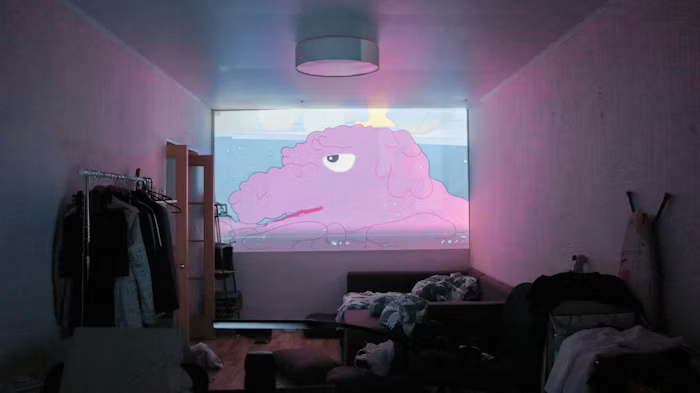
A projector system uses a light source to project images onto a screen surface. This has been the industry standard for many years. It works well in controlled lighting environments.
Projectors remain popular because they are familiar and often budget-friendly. However, they can struggle in bright spaces.
What Are Traditional Screens
Traditional screens refer to standard projection surfaces paired with projectors. These include tripod screens, fast fold screens, and large format projection surfaces.
They are simple and reliable. But they do not deliver the same visual punch as newer technologies.
LED Wall vs Projector for Events: The Core Differences
When comparing LED wall vs projector for events, the biggest differences come down to brightness, flexibility, and audience experience.
LED walls produce their own light. Projectors depend on reflected light. This single difference affects almost every performance factor.
Brightness and Visibility
LED walls are extremely bright. They perform well in daylight and indoor lighting. This makes them ideal for ballrooms, trade shows, and outdoor stages.
Projectors require dim lighting for best results. If your venue has lots of ambient light, images can look washed out.
If your event cannot fully control lighting, LED walls usually win.
Image Quality and Color Impact
LED walls deliver strong contrast and vibrant colors. Text appears crisp even from far distances. Motion graphics also look smoother.
Projectors can look very good in dark environments. But image quality often drops when the room gets brighter.
For high-impact branding and keynote visuals, many planners prefer rental LED screen event setups.
Setup Flexibility
LED walls are modular. This means they can be built in many shapes and sizes. Curved displays and wide stage backdrops are possible.
Projector systems are more limited. They typically produce a standard rectangular image.
If your event design is creative and immersive, LED technology offers more freedom.
Space and Throw Distance
Projectors require a throw distance. This means you need physical space between the projector and the screen. In tight venues, this can be challenging.
LED walls do not require a throw distance. They can be installed close to the stage or backdrop.
This makes LED solutions useful in smaller venues and low-ceiling spaces.
When Traditional Screens Still Make Sense
Despite the rise of LED technology, traditional screens still have their place. Not every event needs a massive digital wall.
For small meetings, breakout sessions, and classroom-style events, projectors with standard screens remain practical. They are simple to deploy and familiar to most presenters.
Budget can also be a deciding factor. If your event has minimal visual demands, traditional projection may be sufficient.
Cost Considerations and Budget Planning
Budget always matters. Projectors typically have lower upfront costs. LED walls require a larger investment.
However, cost should be evaluated alongside impact and venue conditions. People who want to project their work should use projectors because the machines do not function properly in bright environments.
Your event will become less effective through that particular factor. Event planners need to find a way to balance their budget requirements with their performance needs. The main stage of some events uses LED technology, while their breakout rooms operate through projector systems. The hybrid method allows organizations to spend less money on projects while keeping their work standards intact.
How to Choose the Right Option for Your Event
Start by evaluating your venue lighting and audience size. These two factors eliminate many poor choices quickly.
If your space is bright and large, LED walls usually perform best. If your room is small and dim, projectors may be perfectly adequate.
Next, consider your content. Are you showing detailed graphics and motion video? Or mostly simple slides?
Finally, think about the audience experience. The goal is always clarity, engagement, and professionalism.
When in doubt, many planners consult specialists who regularly deploy rental LED screen event systems for complex productions.
FAQs
1. Which is better, an LED wall vs a projector for events?
It depends on the venue and lighting. LED walls work better in bright spaces, while projectors perform well in dark rooms.
2. When should I choose a rental LED screen event setup?
Choose LED screens for large audiences and bright venues, and high-impact presentations where clarity is critical.
3. Are traditional projection screens still useful for events?
Yes. They work well for small meetings and controlled lighting environments where ultra-bright displays are not required.
Conclusion
Selecting between LED walls, projectors, and traditional screens is not about choosing the newest technology. It is about choosing the right tool for your specific event.
Understanding the differences in brightness, flexibility, and visual impact helps you make smarter decisions. In many modern venues, LED wall vs projector for events comparisons favor LED because of visibility and versatility.
However, traditional projection still works well in the right environment. The best results come from matching the technology to your venue and your goals.
When planning your next production, review your event visual display options carefully. The right choice will elevate your audience experience and strengthen your overall event success.